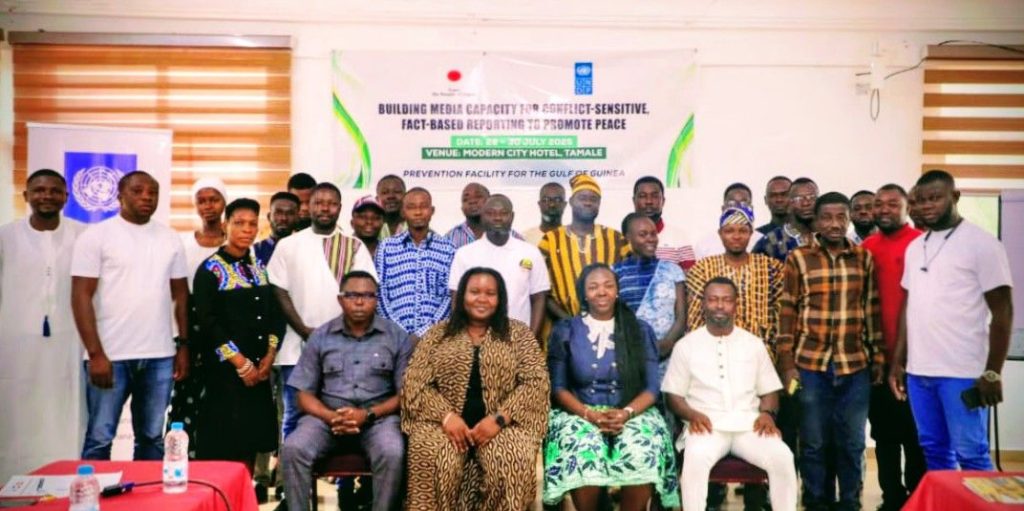
The United Nations Development Programme (UNDP) in Ghana recently conducted a two-day intensive training session for over 25 journalists from Northern Ghana. The training, which had funding by Lybya and Japan’s focus, was on sensitive conflict reporting and information hygiene, emphasizing the importance of balanced reporting to avoid exacerbating conflict situations and to facilitate peaceful resolutions.
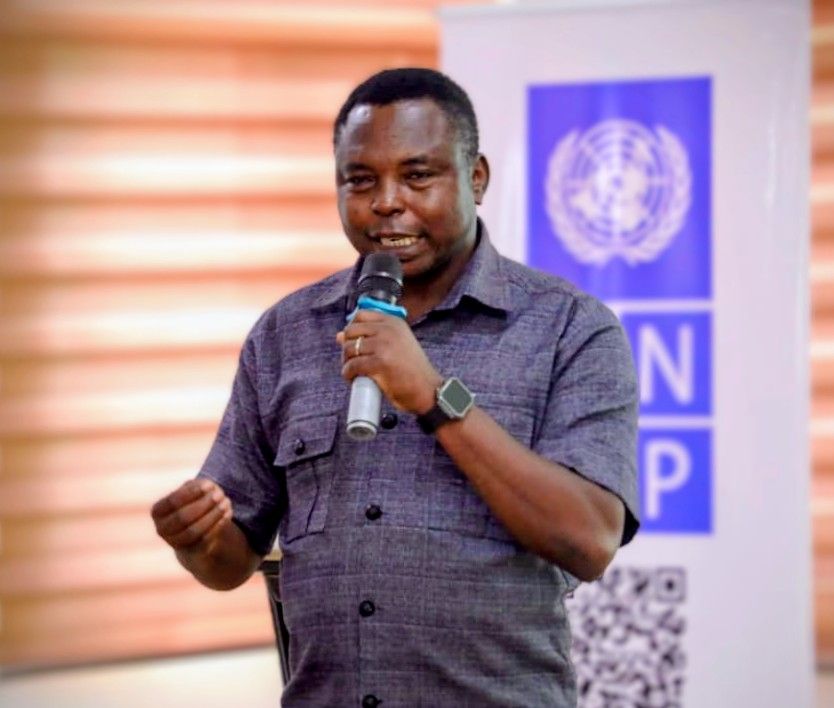
Mr. Eugene Yirbour, the immediate past Acting Office Director of Democracy, Rights, and Governance at USAID and a specialist in conflict management, highlighted the significance of this training for journalists. He noted that journalists have a wide reach, influencing both literate and illiterate audiences. “Whatever journalists report can either act as a potent bomb or serve to heal,” he stated. By being conflict-sensitive and mindful of their words, journalists have the potential to foster social cohesion and peace-building in Northern Ghana.
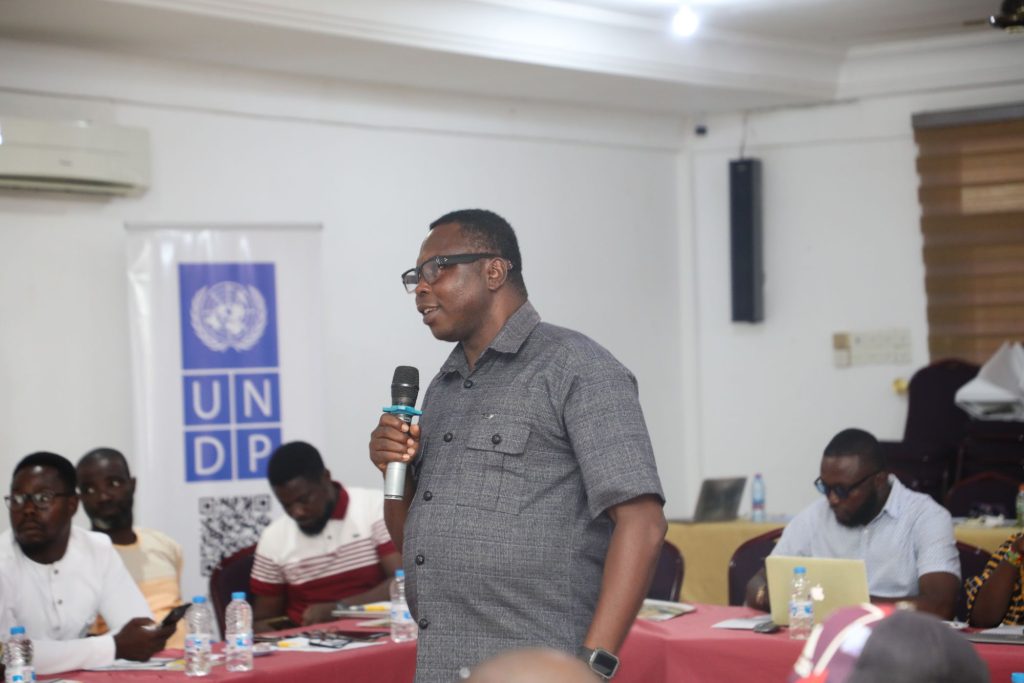
Mr. Yirbour emphasized that the training aims to help journalists change the narrative surrounding conflict in the region. Many prevailing narratives stem from misconceptions and misinformation, which can worsen conflicts. By empowering journalists to provide accurate information, the training seeks to prevent the deterioration of social relations.
The participants were selected from the Upper East, Savannah, and Upper West regions of Ghana, identified as hotspots for potential conflict. Additionally, Mr. Yirbour expressed concern over violent extremism in border communities, highlighting the need for journalists in these areas to recognize early warning signs and conflict triggers. Through this training, journalists can educate their communities and help prevent the infiltration of violent extremist organizations.
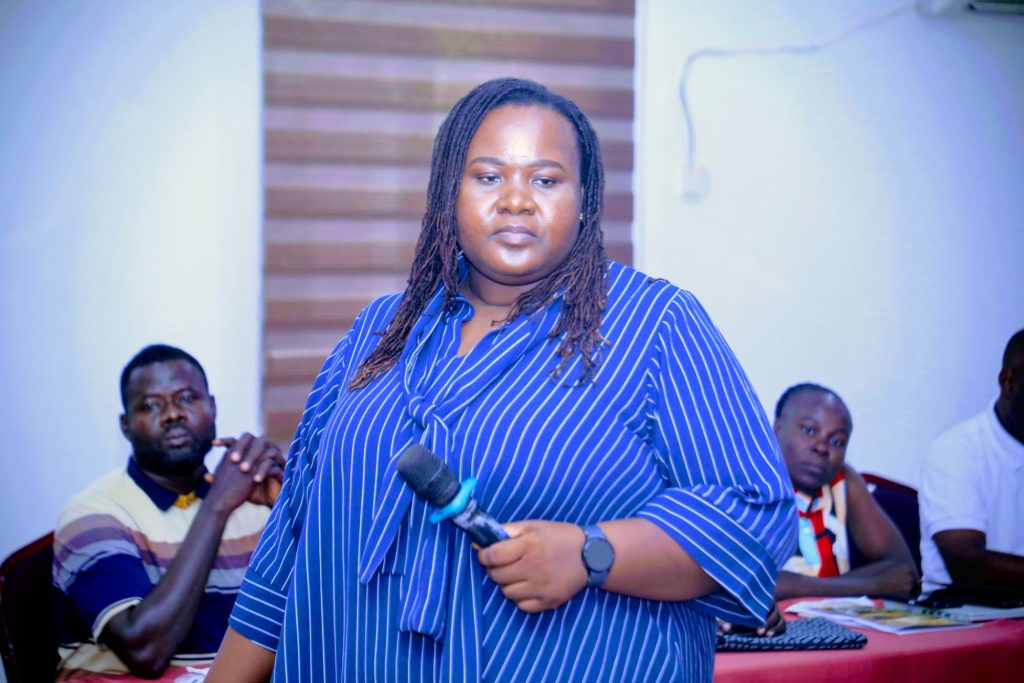
Roselena Ahiable, Project Manager at DUBAWA West Africa, led a session on fact-checking and verifying information. She stressed the importance of journalists adhering to their in-house regulations to ensure the dissemination of truthful information.
The rise of misinformation and disinformation poses significant challenges, and Ahiable noted that while there has been improvement in the media space, journalists must continuously adapt to manage these challenges effectively.As social media usage increases, so does the potential for misinformation.
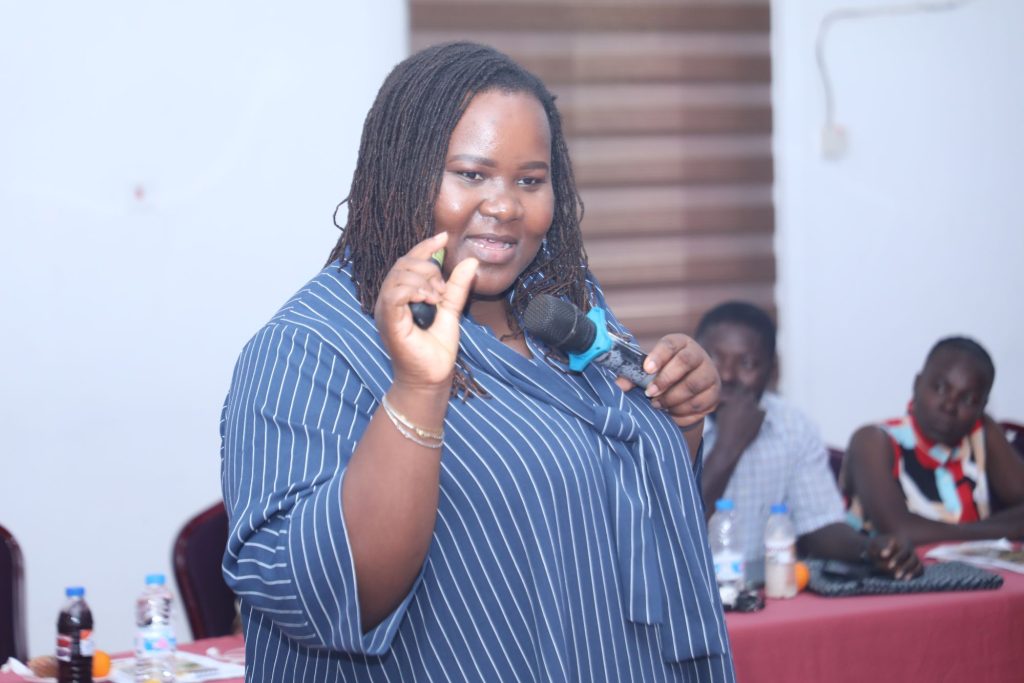
Ahiable encouraged journalists to share their fact-checking skills online, enabling audiences to internalize these practices and apply them across various social media platforms. This collective effort can help sanitize the media landscape and promote credible information.
Kume Izumi, speaking on behalf of the Embassy of Japan in Ghana, expressed her sincere appreciation to UNDP and their implementing partners, including the Ghana Journalists Association Northern Region Chapter, the Media Foundation for West Africa, and the National Media Commission, for their continued collaboration and commitment to promoting peace and responsible journalism.
She noted that the partnership with UNDP encompasses several initiatives that have consistently provided valuable platforms for exchanging ideas, sharing experiences, and learning from best practices to address pressing challenges.
The theme for today’s training is particularly timely. Journalism, a pillar of every democratic society, is now at a fascinating crossroads.
The growing spread of misinformation and disinformation presents one of the most complex threats to peace. This situation is further exacerbated by the emergence of AI-powered tools. Today, AI technologies are reshaping the landscape of news production, with some AI-generated content often indistinguishable from authentic news, thereby increasing the speed and scale at which falsehoods can spread.
As journalists and online bloggers, you bear the responsibility of being frontline actors against misinformation. I urge you all to take this training seriously and to use the skills you acquire as tools for preventing violence and promoting dialogue.
The relationship between Japan and Ghana is built on mutual respect and shared aspirations. Peace and security have always been key areas of our cooperation. Over the years, Japanese institutions and the government of Japan have supported capacity-building programs like this training workshop to strengthen peace and security in Ghana and the surrounding region.
She would like to affirm Japan’s commitment to supporting these initiatives, and we look forward to continuing our valued partnership with UNDP in building a safer and better-informed Ghana.
Source: mywordfmonline.com/ Gaspard Ayuureneeya Adongo.