
Komaka, a community in Bawku West District 0f Upper East Region of Ghana, residents of Komaka, a farming community of about 1,475 people, are struggling to access potable water after the community’s “one village, one dam” dried up in November 2025.
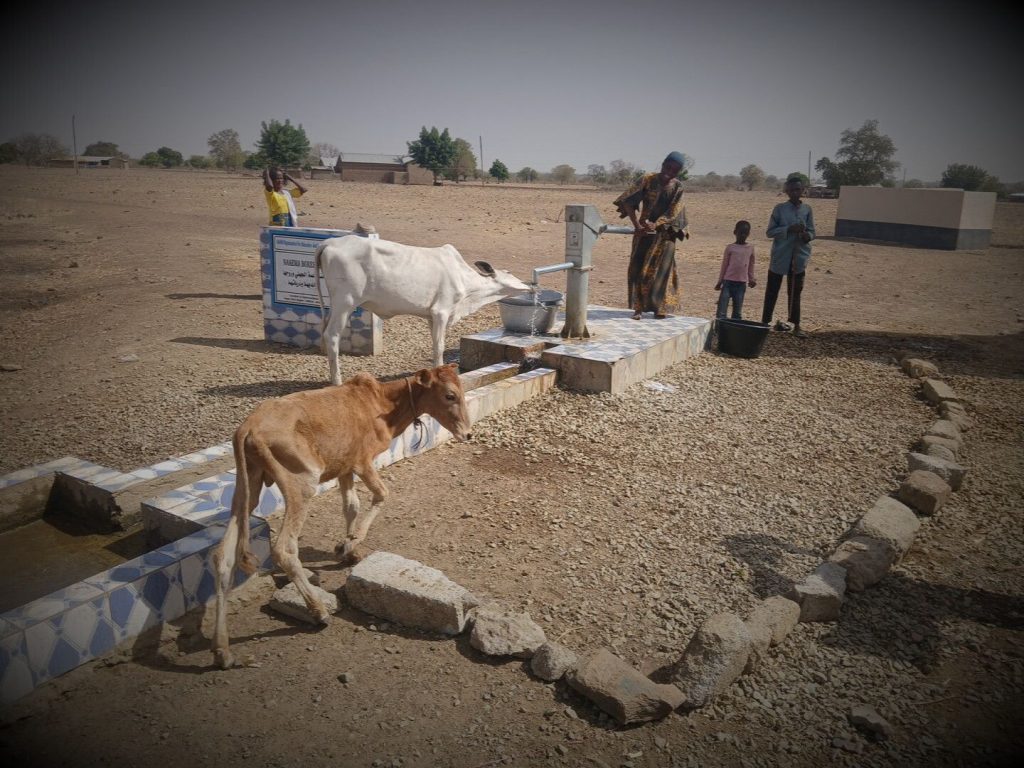
The loss of the dam has forced their animals to travel long distances to Bazua in the Binduri District to drink water from the White Volta compeling their animals to struggle with the people to access water with few boreholes available.

According to Mr. Azure David Fatawu, the dam was built across a small stream during the previous NPP government under former President Nana Addo Dankwa Akufo-Addo. He said the community was not consulted about the site selection, party executives and others chose the location, which was on private farmland where a stream runs across.
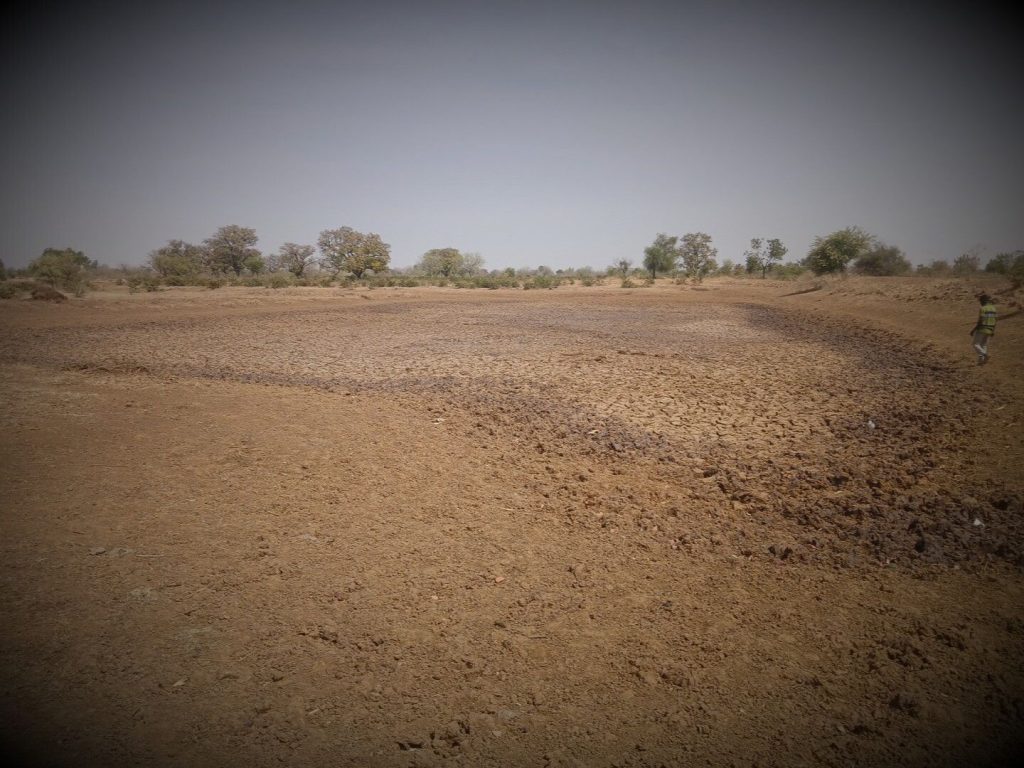
The dam had already dried up by November, leaving residents disappointed. “Dams are constructed for water, but there is no water. Our animals now commute from Komaka to the White Volta at Bazua, a far place, and when they return they are thirsty again,” he said.

District Assembly officials say they were not involved in identifying or approving the dam sites. Mr. Yenli Reuben, District Planning Officer for Bawku West, told the media that the assembly only learned about many of the dams through a reporting forum.
He said the parliamentary candidate of the ruling party at the time and the Northern Development Authority identified sites and sent contractors directly to communities without going through the assembly. “We were surprised when we saw some of these dams. We were not involved,” he said.
Mr. Reuben added that Komaka has been prioritized in the current medium-term plan: the district has plans to construct dams for Komaka, Gunga, Lamboya and other communities.
However, he cautioned that funding constraints may delay construction. “We have planned for these dams, but the money coming is another issue. We will pray that we have money so we can do what we have planned,” he said.
Sanitation challenges and donor support
A stakeholder engagement organized in Zebilla by Belim Wusa Development Agency (BEWDA) in partnership with WaterAid-Ghana brought together duty-bearers and residents from Komaka, Agatuse and Tilli to discuss water, sanitation and hygiene (WASH) and climate-related vulnerabilities.

Sanitation remains a major concern across the three communities. Open defecation persists in some areas. Komaka received household latrine support from WaterAid-Ghana, but several of those latrines collapsed during the rainy season. Neither Komaka nor Agatuse have public toilet facilities for market users and visitors. Tilli has a 24-year-old public toilet constructed with HIPC funds, but the facility is in poor condition with deep cracks and structural failure.

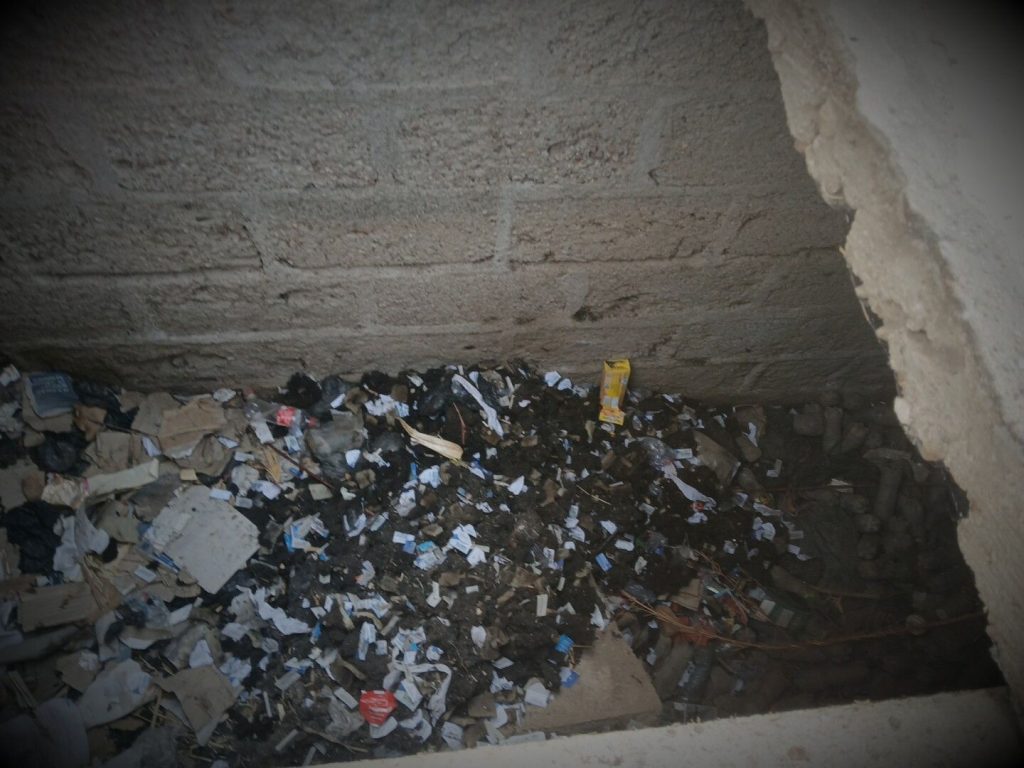
Mr. Alexander Sibiri, District Environmental Health Officer, commended Komaka for managing plastics better than other communities. He explained that WaterAid-Ghana provided “soft structure” subsidies (materials for pit lining and related support) around 2018–2019 to help households construct latrines. But after 2020, donor support diminished and such subsidies became scarce.
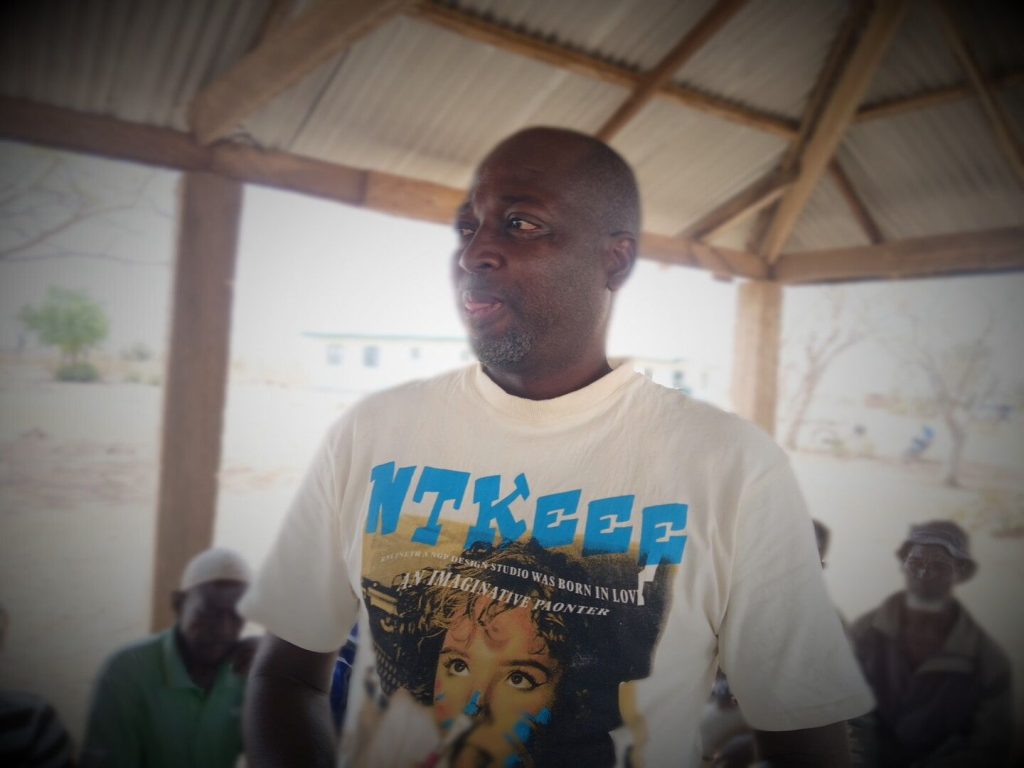
The assembly can provide only technical guidance; communities must take responsibility for constructing and maintaining household latrines. “If communities do not prioritize sanitation, assembly support will not be effective. They must take the initiative and use the facilities,” he said.
BEWDA and WaterAid partnership
Mr. Peter Asaah, Chief Executive Officer of BEWDA, said the partnership with WaterAid-Ghana seeks to amplify community voices and strengthen links between communities and duty-bearers on climate justice issues affecting WASH. BEWDA conducted community vulnerability and risk assessments that informed the selection of Komaka, Agatuse and Tilli for the project.

The stakeholder interface produced commitments from duty-bearers, Mr. Asaah said the Environmental Health Department has pledged to lead a clean-up exercise in Agatuse and the Agatuse market during the first week of April 2026. The department will also measure household latrines to support construction and help set up a market sanitation committee to oversee regular cleaning.

The assembly has agreed to follow up with provision of dustbins and technical support.Mr. Asaah described the engagement as productive, noting increased commitment from duty-bearers and improving community attitudes toward sanitation as key outcomes of the process.Komaka’s dried dam highlights both the urgency of resilient water infrastructure and the need for inclusive planning. Community members want durable water sources and improved sanitation facilities, while district officials point to funding constraints and the need for community ownership.
The recent engagements led by BEWDA and WaterAid-Ghana have produced concrete short-term commitments, but longer-term investments will be required to secure reliable water and sanitation for Komaka and neighbouring communities.
Source: mywordfmonline.com/Gaspard Adongo Ayuureneeya.