
Belim Wusa Development Agency (BEWDA), in collaboration with Star Ghana, has integrated five communities in four districts in Ghana’s Upper East Region,Bawku West District, Pusiga District, Binduri District, and Garu District.The five integrated communities are,Bansi (a border community in Binduri District), Sapeliga (a border community in Bawku West District), Mandagoand Nwari (both border communities in Pusiga District), and Kugri (the only non-border community in Garu District).

The rising insecurity in Togo, Côte d’Ivoire, and Burkina Faso has driven an increasing number of Fulbes, refugees, and other minority groups to move into these communities for safety. As a result, many have faced stigmatisation, as well as economic and social challenges.The humanitarian toll has been immediate and severe.

In less than two weeks, tens of thousands have been displaced from their homes. Camps and host communities are overwhelmed, and affected families are experiencing shortages of food, shelter, water, and medical care.
Overcrowding and poor sanitation have increased the risk of disease outbreaks, while psychological trauma is widespread particularly among children and the elderly.Although some displaced persons have moved further into neighboring Côte d’Ivoire and Burkina Faso, many still face additional vulnerabilities as refugees. Host communities on both sides of the border many already poor are struggling to absorb the sudden influx.Livelihood and peace support.
A total of 750 livelihood beneficiaries across the five communities Kugri, Sapeliga, Bansi, Nwari, and Mandago have received trade and livelihood support. The beneficiaries include Fulbes, refugees, host community members (including Kusasis and Bissas), and other minority groups.
In addition, the project supports, included digital literacy clubs (in-school): 500 beneficiaries, Peacebrokers150 beneficiaries.The trade support offered includes skills such as weaving, rice processing and parboiling, tailoring, soap making (including products like shower gel, omo, and shampoo), as well as electrical work, leatherwork, and dry-season farming.

Speaking exclusively to some of the beneficiaries across the districts, Salamatu Fuseini, a Fulbe who fled to Wmare for safety and is now a beneficiary of rice parboiling, said they did not come “out of pleasure,” but due to pain and pressure. She explained that, through the BEWDA and Star Ghana programs, the communities have learned new trades that promote peace and cooperation.

She stated that her group has built four houses and now feels “at home,” adding that they have no intention of returning to their homeland due to ongoing insecurity. She also noted that the training has brought people together leading to intermarriage between Kusasi youth and refugee youth.

Mercy Bisinya, a Senior High School student and weaving beneficiary, said weaving is important because it offers her a chance to support herself financially even while she awaits the opportunity to continue school. She explained that with her new skills, she hopes to raise money for school fees when she gains admission to tertiary education.Mohammed Masura, a beneficiary of the rice parboiling process at the Mandago community , told Word News that profits from the training have improved their lives.

She said they originally received about 9 bags of rice at the initialstage, but after learning and working, they now earn approximately 20 bags from the profits. She added that the training has equipped them with the skills, tools, and knowledge needed to start their own businesses in the future.

The CEO of BEWDA, Peter Asaah, said the organization has worked for nearly 35 years across multiple programming areas, often supported by development partners. He noted that the project, called BRAVE, focuses on building resilience against violent extremism.

He explained that BRAVE 1 was an emergency phase that included assessment and research on the spill over of the migrants, he said the assessment concluded that insecurity and development pressures in the Sahel region were driving migration into Ghana. According to him, communities such as Sapeligain Bawku West, and communities in Pusiga District including Mware and Mandago were affected by the spillover.

He further said that in Garu District, the team went deeper into community dynamics to understand the implications of migration. The findings showed that receiving displaced populations could create pressure on resources such as water, accommodation, feeding, and other basic amenities.

As a result, the project was designed first to help host communities (“locals”) understand and accept the situation, and to strengthen coexistence between hosts and newcomers. The second focus was to support livelihoods by identifying skills the communities already practice and then adding value through training.
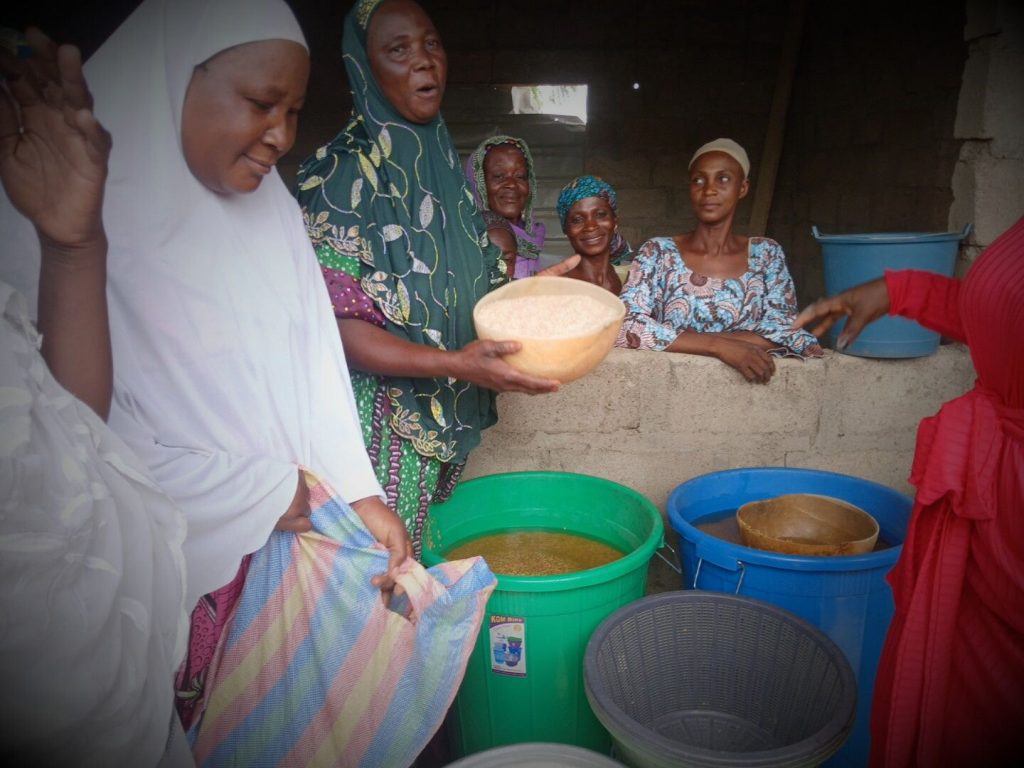
At Kugri, for example, beneficiaries were trained in rice parboiling, weaving, electricals, and leatherwork.
He said this brought together different groups hosts, Christians, Muslims, Kusasi youth, migrants, and Fulbes so that they could form working groups, increase cohesion, and promote unity.

The Chief of Mandago, Naba Baba Musah Asemada, expressed gratitude to BEWDA and Star Ghana, noting that when the crisis began from Burkina and Togo, many people fled into their communities. He said the program helped families communicate and handle each other better, and that the community is now working together rather than living in stress or overcrowding.
He added that girls now work in rice parboiling, soap making, weaving, and dry-season farming. He said the project has helped reduce harmful exploitation and improved family stability.
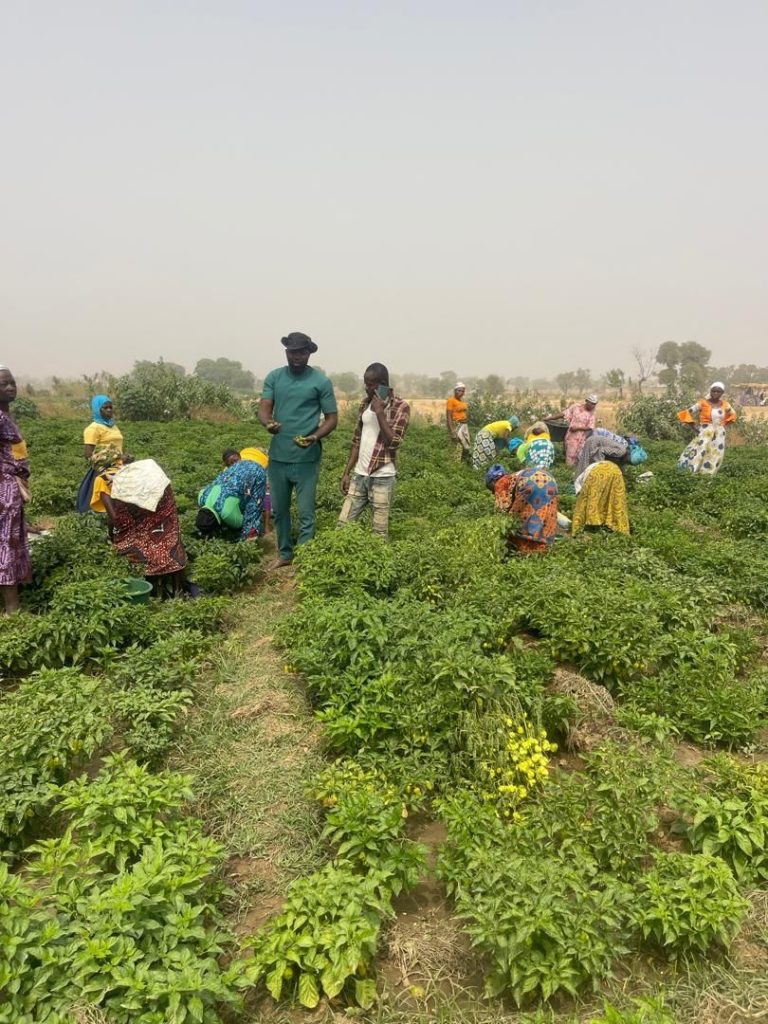
He also noted improved crop production this year, including tools and vegetables such as onions, and stated that the program provided seed support that has “changed” livelihoods.Naba also shared that soap making training helped women wash themselves and their clothes more easily, especially during difficult periods when water and hygiene were previously challenges.Naba appealed and prayed for more support, saying the project has become a real friend to the community especially for families facing crisis-related hardship.

The People of Bansi in the Binduri District benefited on trade areas such rice parboiling, soap making , and dry season farming expressed gratitude to BEWDA and StarGhana for the support through the project that have brought them together in peace building among the host community ,Kusasis, Bissa’s, Refugees and the Fulbes in the area of skills training programs in their community level
Source:mywordfmonline.com/Gaspard Adongo Ayuureneeya.