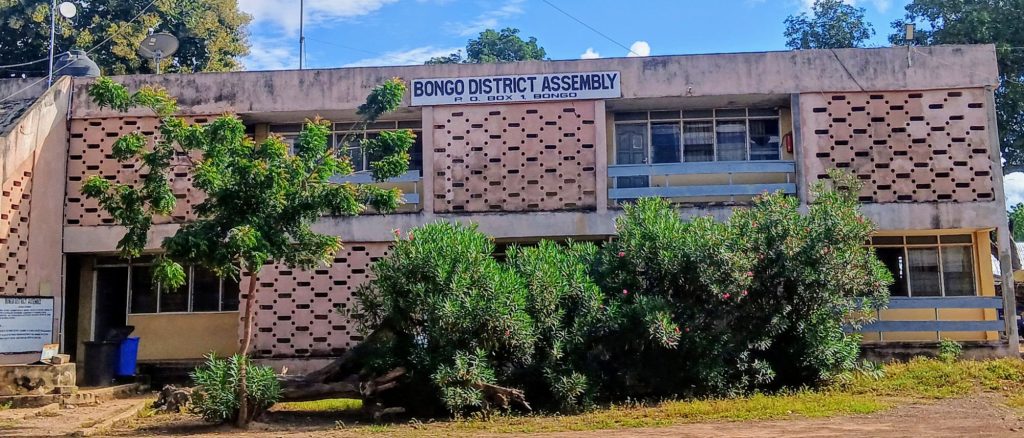
Recent data from the Bongo District in the Upper East Region of Ghana reveals a concerning sanitation issue: out of 21,582 households, 17,555 resort to open defecation due to the lack of household latrines. This alarming statistic translates to an open defecation rate of 81%, significantly higher than the regional average of 68% and four times worse than the national average of 18%.

In an exclusive interview, Mr. Charles Nachinab, Programme Manager for Universal WASH at WaterAid Ghana, emphasized the severity of the situation. “When we consider the national average of open defecation in Ghana, which is 18%, Bongo’s rate of over 81% is shocking. It illustrates a dire need for intervention,” he stated.
The Ghana Statistical Service conducted a population and housing census in 2021, confirming that approximately eight out of ten people in Bongo engage in open defecation. This situation underscores the urgent need for improved sanitation facilities.
WaterAid Ghana has selected Bongo District for a special program aimed at achieving universal access to water and sanitation services. Mr. Nachinab called upon key stakeholders to address the crisis: “We need everyone on board to ensure that the 17,555 households with no access to latrines can obtain their own facilities and help eliminate open defecation in the district.”
He also highlighted the collaboration with the Bongo District Assembly and other stakeholders to enhance their capacity to deliver effective sanitation services. WaterAid Ghana plans to demonstrate workable models to engage communities, run sensitization campaigns, and work with the private sector to provide flexible financing options for latrine construction.
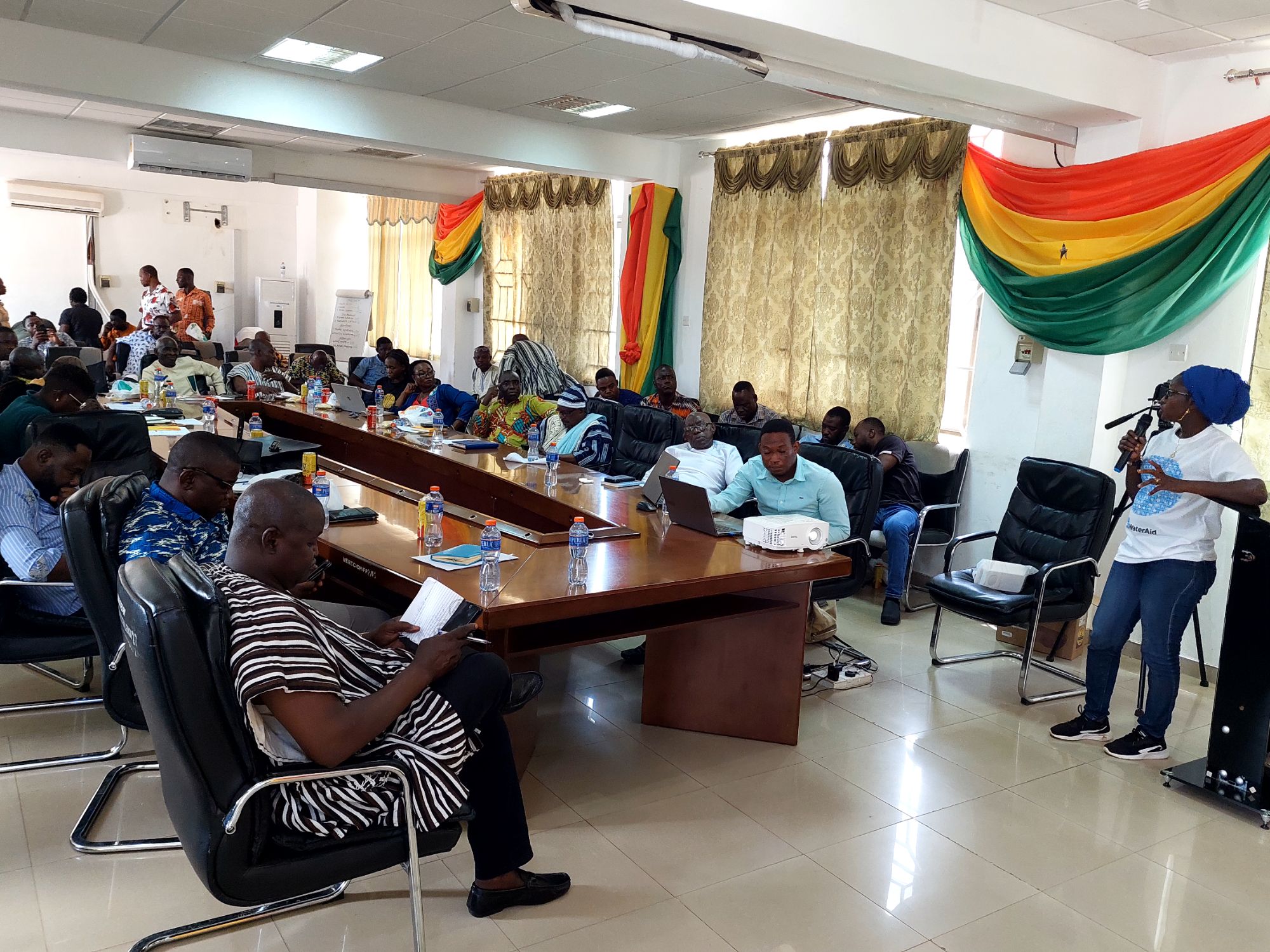
The impact of poor sanitation is evident in the health of the community. According to Mr. Nachinab, the top ten diseases reported in the Bongo District’s outpatient department are sanitation-related, including diarrhea, cholera, and typhoid fever. These health issues not only affect individual well-being but also have broader economic implications, as productivity among teachers, farmers, and other workers is compromised.
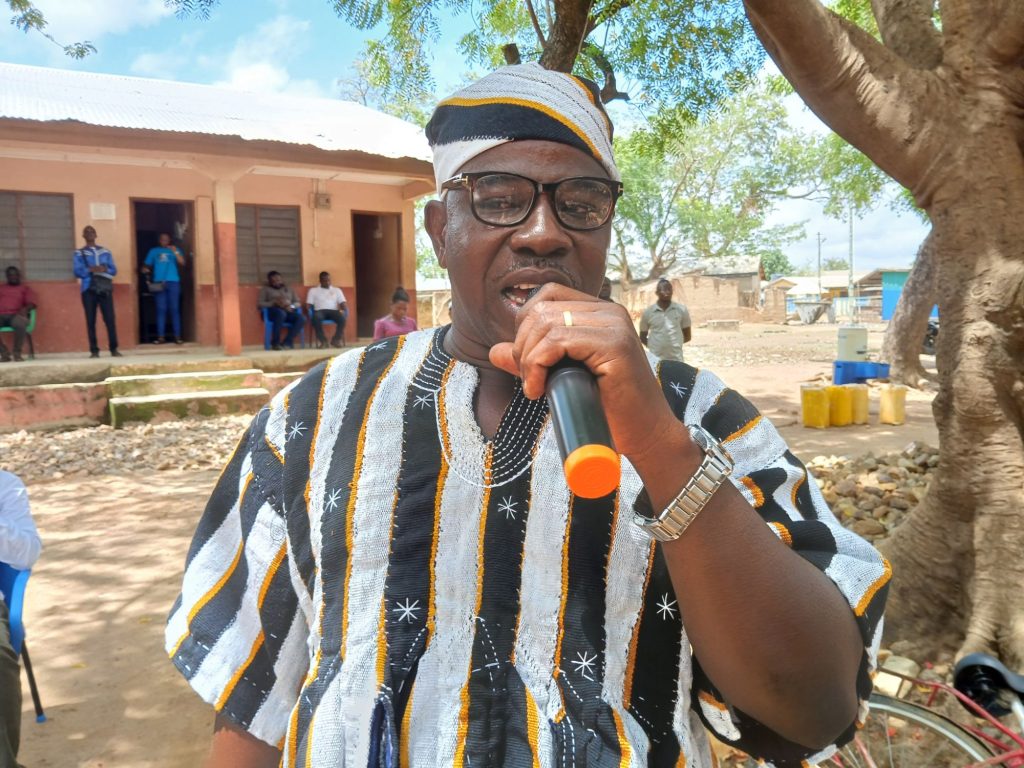
During a stakeholders’ engagement, Bongo District Chief Executive Hon. Joseph Abaa Akaseke acknowledged ongoing challenges in sanitation, water, and hygiene. Many communities still rely on contaminated water sources, leading to long-term health issues. He expressed gratitude to WaterAid Ghana for adopting Bongo District for a comprehensive WASH coverage plan over the next five years.
Mr. Nachinab emphasized the need for a long-term, strategic approach to address the open defecation crisis and related sanitation issues. He urged the district assembly to take ownership of the development process and actively seek partnerships to enhance the district’s sanitation infrastructure.
He also called on local leaders, including the Paramount Chief of Bongo Traditional Area, Naba Baba Salifu Atamale Alemyaarum, to play a pivotal role in promoting water and sanitation initiatives within the community.
Source: mywordfmonline.com/Gaspard Ayuureneeya Adongo.