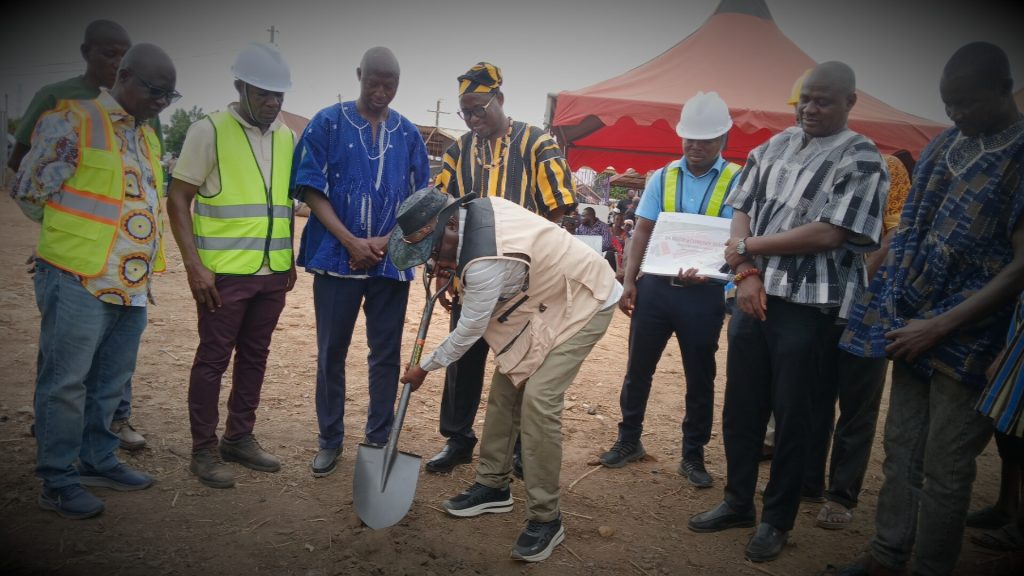
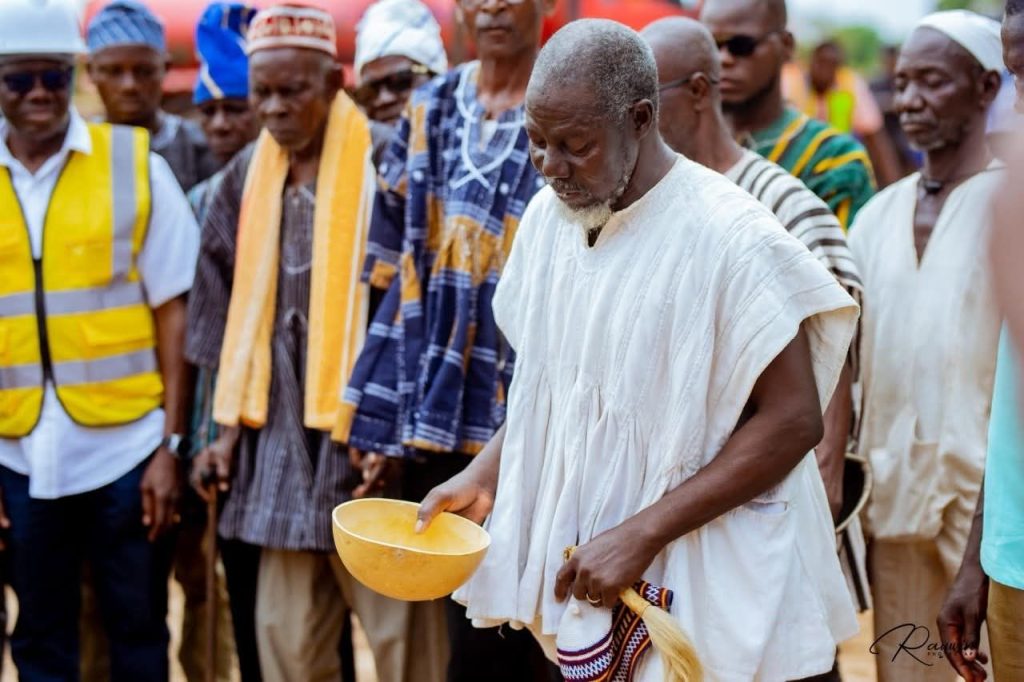
Upper East Regional Minister Mr. Donatus Atanga Akamugri has cut sod for the construction of a 24-hour market, part of the Government’s flagship 24-hour economy initiative.Mr. Akamugri began the project on Friday, 8th May 2026, starting with Bawku West District, followed by the Bolgatanga Municipality, Kasana Nankana District, and finally the Kassena Nankana Municipality (Navrongo).
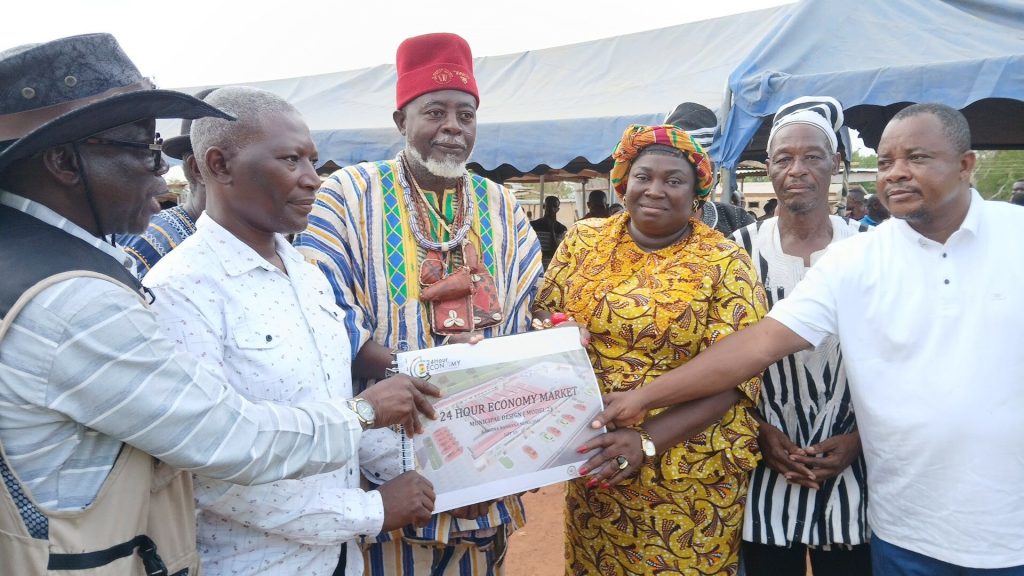
The Regional Minister called on all contractors to execute the projects with high quality workmanship, and to ensure that all required components are included in areas where they can be delivered to fast-track timely and effective delivery.Mr. Akamugri also expressed appreciation to the people of the four districts,Bawku West, Bolgatanga municipality Kasana Nankana West, and Kassena Nankana Municipality (Navrongo)for supporting the initiative by releasing land for the realization of the markets.
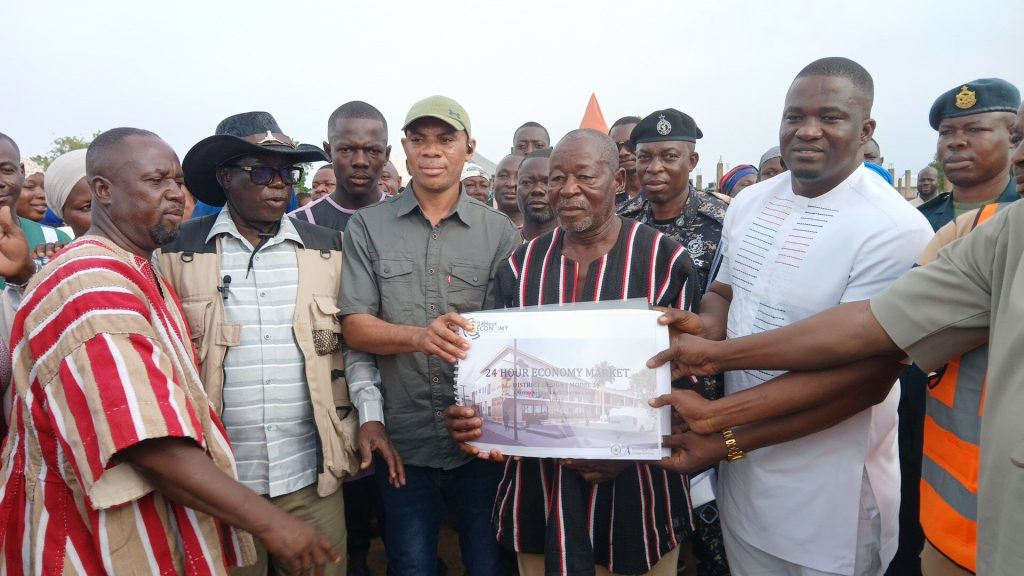
He urged residents to support contractors to access key inputs such as gravel, sand, and other necessities, while avoiding overpricing, so the projects can progress without hindrance.He described the 24-hour market project as a game changer, emphasizing that the 24-hour economy policy introduced by President John Dramani Mahama** is designed with critical thinking about future youth employment and local economic development.
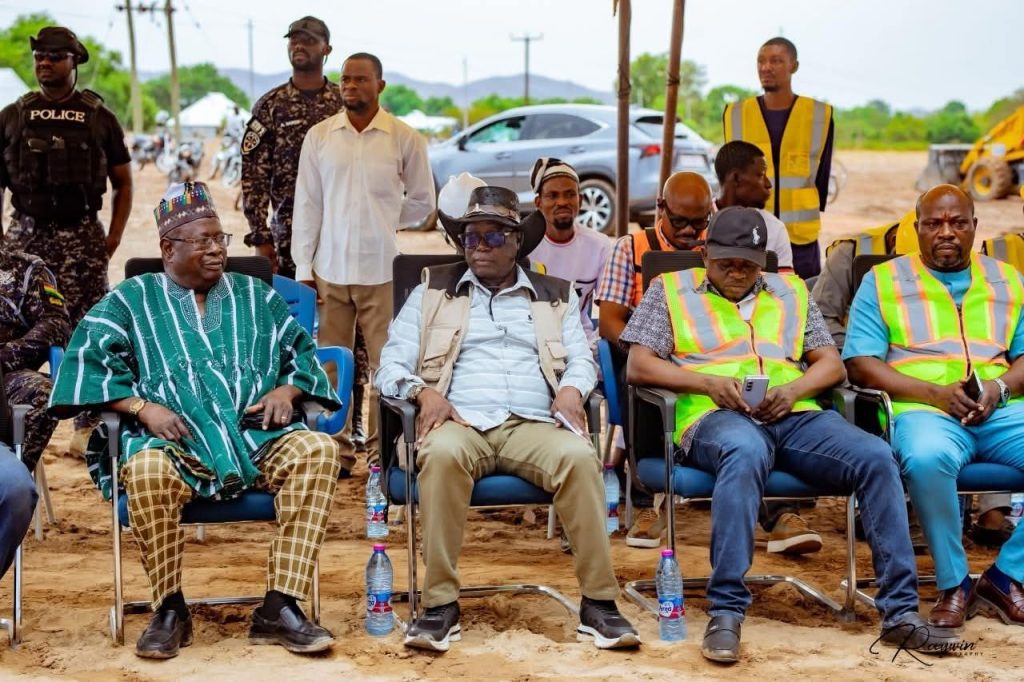
He further noted that the initiative is not a borrowed policy label, but a new direction aimed at solving current socio-economic challenges.
According to Mr. Akamugri, the 24-hour economy programme of which the 24-hour market is a key component aims to tackle growing unemployment, boost local economic activity, and strengthen commerce. He stated that 25% of the Common Fund has been secured for the programme, with additional support drawn from Ghana’s 24-Hour Economy and Accelerated Export Development Programme.He explained that the 24-hour market is designed as a modern, secure, one-stop economic hub operating 24/7 ,with key features include, Secure infrastructure such as police and fire posts ,refrigerated storage (cold storage units) digital payments, social amenities like kindergarten facilities, clinics, and women’s banking services,security posts and comprehensive lighting systems modernized lockable and open stalls,Police and firestations,warehouses to reduce post-harvest losses.
Specialized areas for meat shops, pharmacies, and livestock trading . Integrated lorry terminals and car parks,Daycare centersfor traders’ children ,Sanitary systems,restaurants/food courts and 24/7 retail trading spaces.
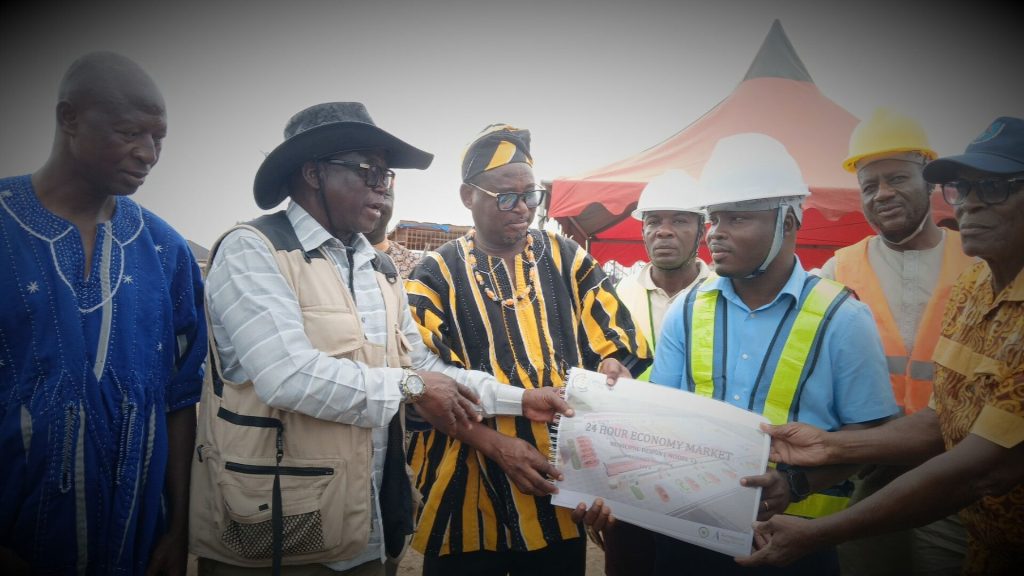
These components, he said, are intended to ensure consistent supply, support high-value trade, and create employment opportunities across multiple sectors.
Mr. Akamugri stated that the markets are expected to contribute to reducing unemployment because services such as security operations, women’s banking activities, childcare services, and other market support systems will require more workers.
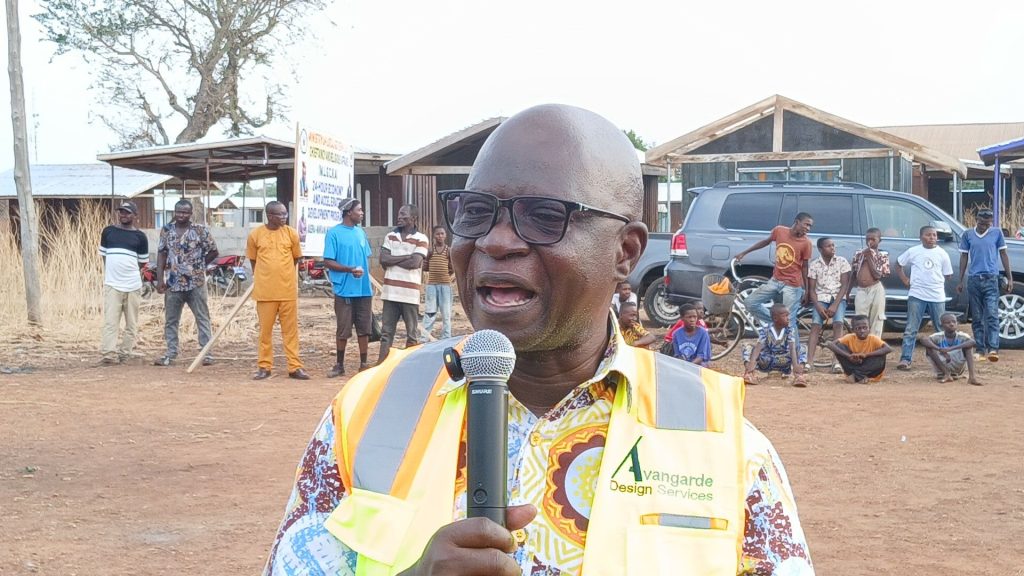
Mr. Sampson Awuah of Avangarde Design Services, a key consultant for the 24-hour market projects, addressed stakeholders and explained the process followed in planning and developing the initiative.
He said the consultant’s team visited all districts, municipalities, and metropolitan areas to study what could be done for 24-hour market development. After consultations and field assessments, reports were submitted and followed up, leading to the acceptance of designs.
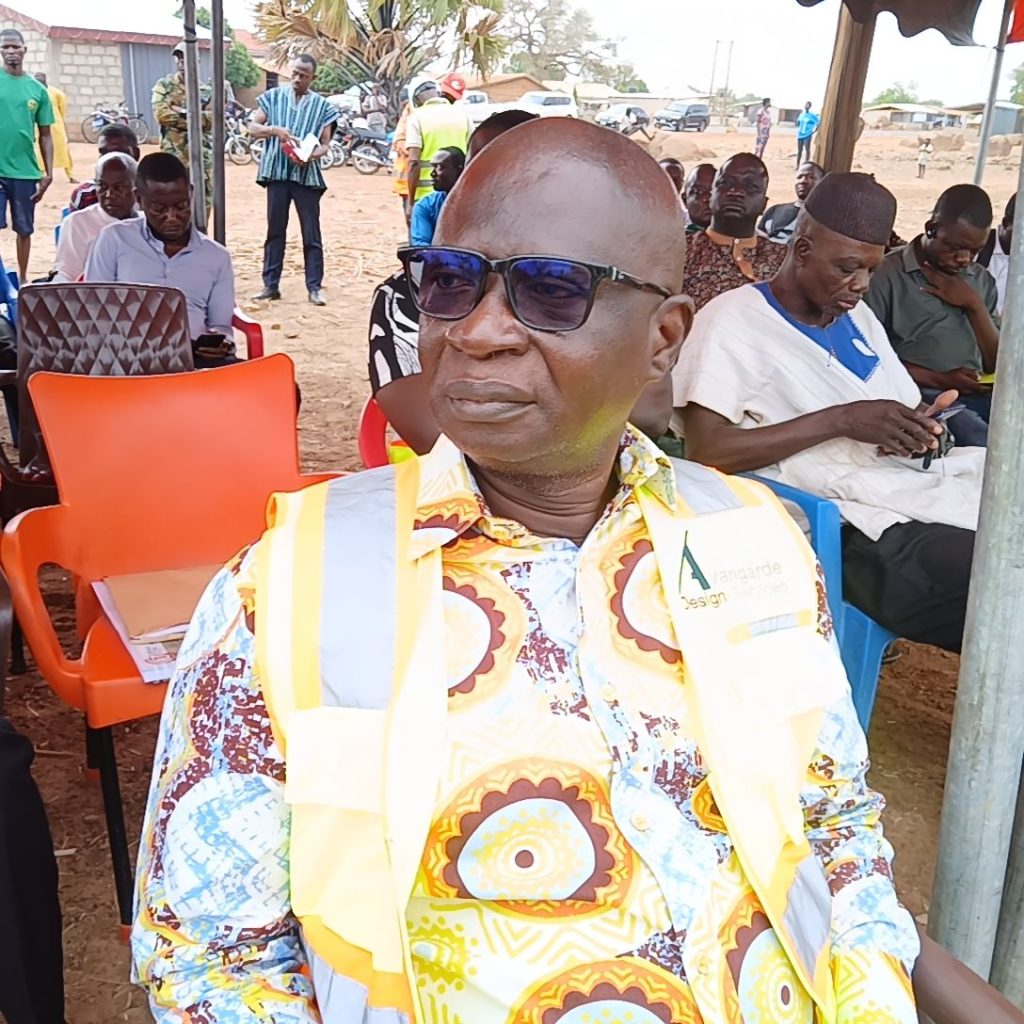
He noted that, drawings were prepared, tenders were advertised,evaluations were conducted, and contractors were selected for each district and municipality for implementation.
Mr. Awuah emphasized that the markets are not ordinary markets. They include integrated facilities such as traditional lockable shops, police and fire stations, and support systems like cold storage and meat and livestock bays, among others.
He therefore urged contractors to engage district/municipal labour, explaining that money spent on the projects should circulate within the local economy so as much as possible, local labor should be used.
Source: mywordfmonline.com/Gaspard Adongo Ayuureneeya