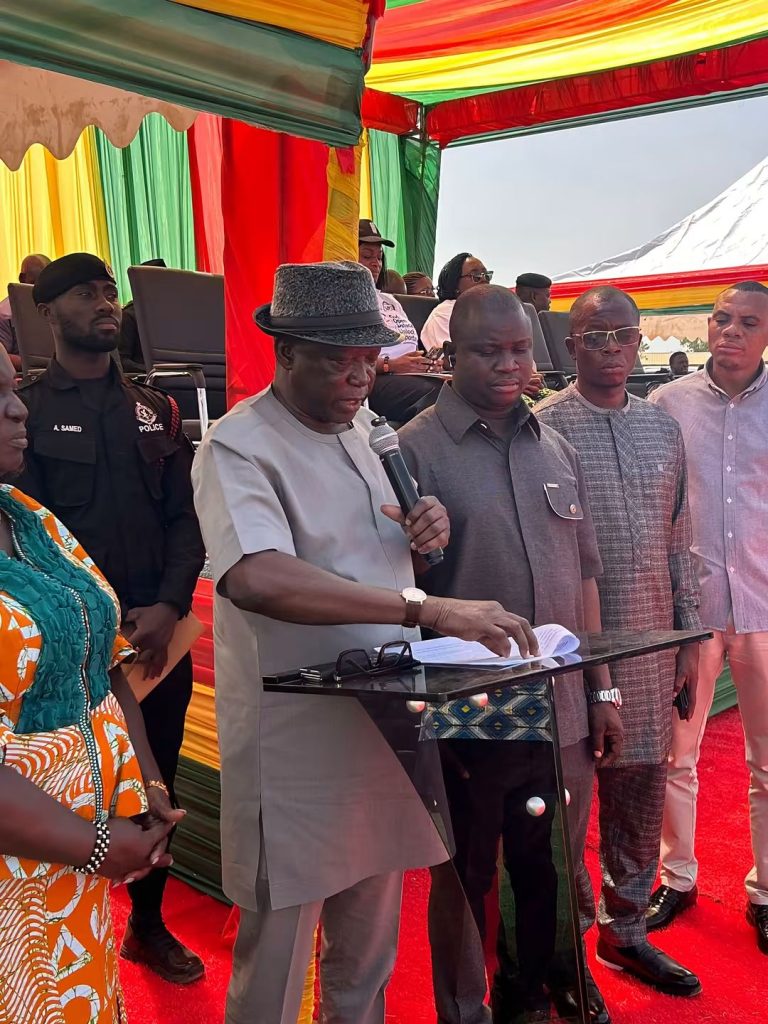
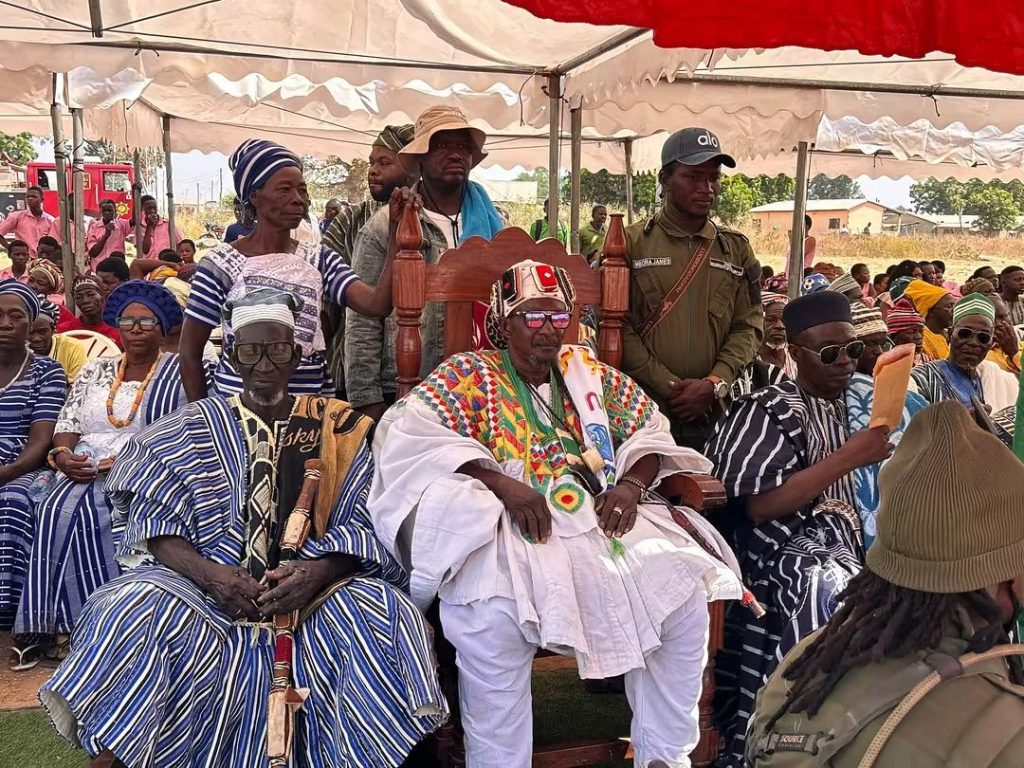
The Upper East Regional Minister, Mr Donatus Atanga Akamugri, has pledged GH¢10,000 to the WASH Sanitation Fund established by the Paramount Chief of the Bongo Traditional Area, Naba Baba Salifu Atamale Alemyarum, and the Bongo Traditional Council to support households in constructing toilet facilities.
Mr Akamugri said the inauguration of the WASH Fund Committee by the Paramount Chief represented an important step towards mobilising resources, strengthening local ownership and ensuring sustainable financing for Water, Sanitation and Hygiene (WASH) interventions.
He stressed that the significance of the initiative must go beyond the inauguration ceremony, urging the committee to operate with integrity, transparency and accountability.
He further encouraged the committee to develop practical and sustainable strategies for mobilising resources to support priority water and sanitation interventions, emphasising that the Fund must ultimately translate into tangible improvements in the lives of the people.
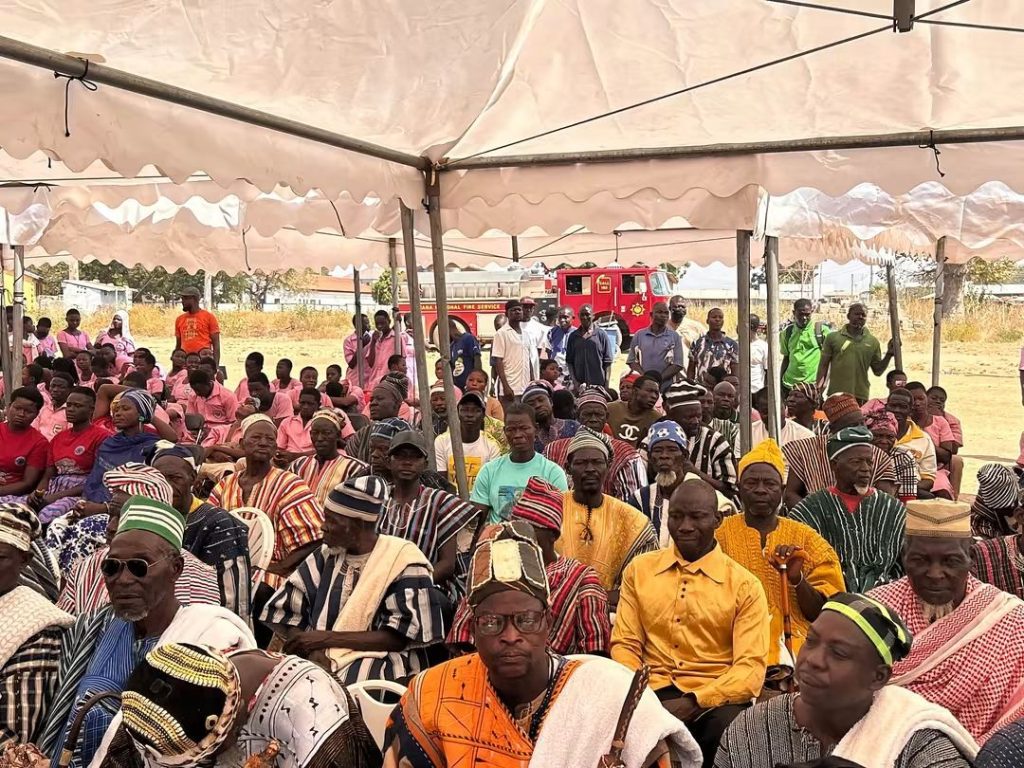
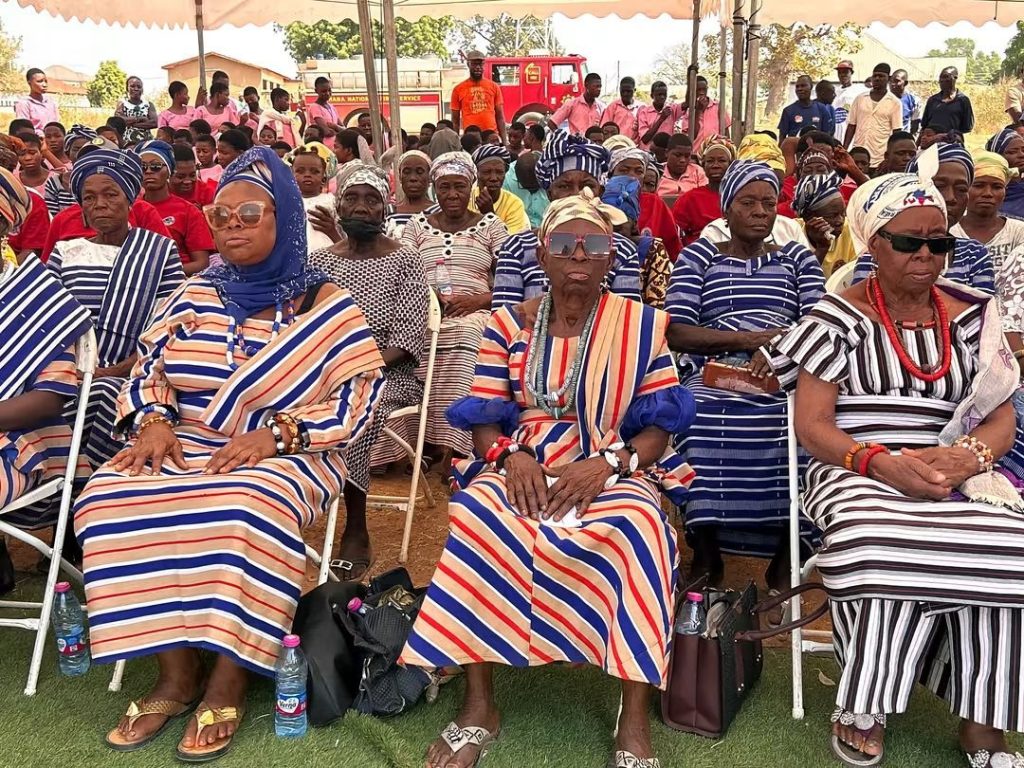
Mr Akamugri made the pledge during the commemoration of the 2026 World Toilet Day, held in the Bongo District under the theme, “Safe Toilets, Equal Futures.”
Addressing the gathering, the Regional Minister highlighted the dangers of poor sanitation, noting that it exposes communities to preventable diseases, contaminates water sources and undermines the health and well-being of residents.
He observed that the effects of poor sanitation were particularly severe on women and girls, children, persons with disabilities and other vulnerable groups.He therefore called for equal access to safe, appropriate and inclusive toilet facilities, irrespective of one’s gender, disability, economic circumstances or geographical location.
According to him, everyone deserves access to a safe and dignified sanitation environment. He added that the Upper East Region required renewed commitment from all 15 Municipal and District Assemblies to improve household and public toilet facilities, eradicate open defecation, strengthen sanitation management and promote responsible hygiene practices.
He emphasised that sanitation must move beyond occasional clean-up exercises to become a sustained public responsibility and a way of life. Mr Akamugri commended the Ministry of Local Government, Chieftaincy and Religious Affairs, the Community Water and Sanitation Agency (CWSA), WaterAid, the Coalition of NGOs in Water and Sanitation (CONIWAS), ESPA and other development partners for their continued technical, financial and institutional support to the WASH sector.
He also acknowledged the Bongo District Assembly, the Paramount Chief of the Bongo Traditional Area, Naba Baba Salifu Atamale Alemyarum, and the people of Bongo for hosting the important commemoration.He noted that the involvement of traditional authorities was critical to achieving sustainable sanitation improvements, as such interventions required strong community ownership, effective leadership and behavioural change.
The Regional Minister further urged all Municipal and District Chief Executives to prioritise sanitation in their development plans and budgets, strengthen the enforcement of sanitation by-laws and intensify public education on responsible sanitation practices.
He called on traditional and religious leaders to continue championing behavioural change, while households, schools, markets and public institutions must take greater responsibility for maintaining clean and healthy environments.
Mr Akamugri stressed that government alone could not achieve the desired transformation, explaining that it required the collective commitment of all stakeholders and a fundamental change in people’s attitudes and everyday practices.
He also urged residents of the Upper East Region to translate the year’s sanitation agenda into concrete action through stronger partnerships, inclusive interventions and sustained investments.
He emphasised that sanitation challenges did not affect everyone equally and that addressing them required deliberate, gender-responsive interventions to ensure that no individual or community was left behind.He concluded that the success of the sanitation agenda must not be measured by speeches delivered during commemorative events but by the tangible improvements achieved in the lives of the people.
Source:mywordfmonline.com/Gaspard Adongo Ayuureneeya.