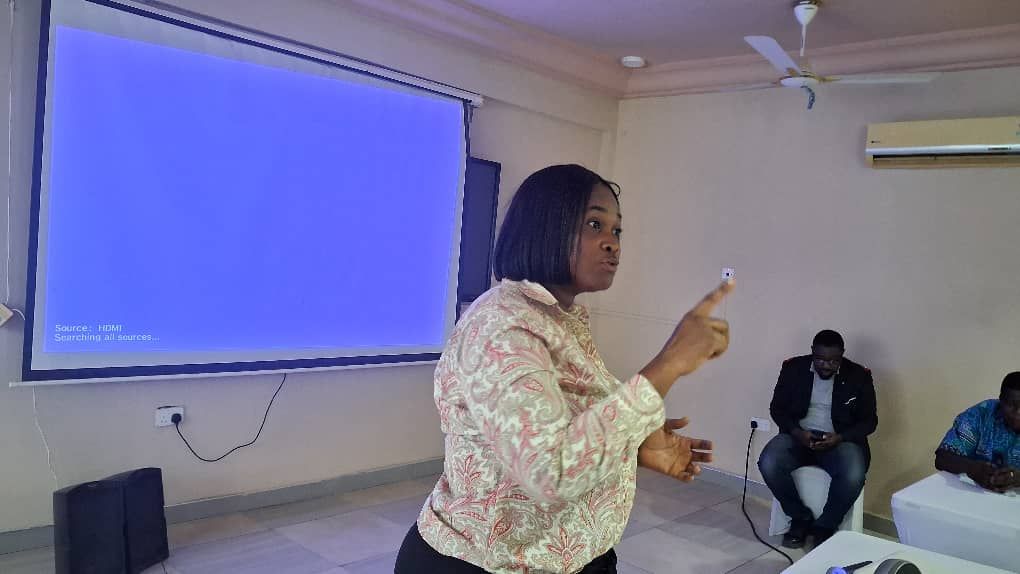
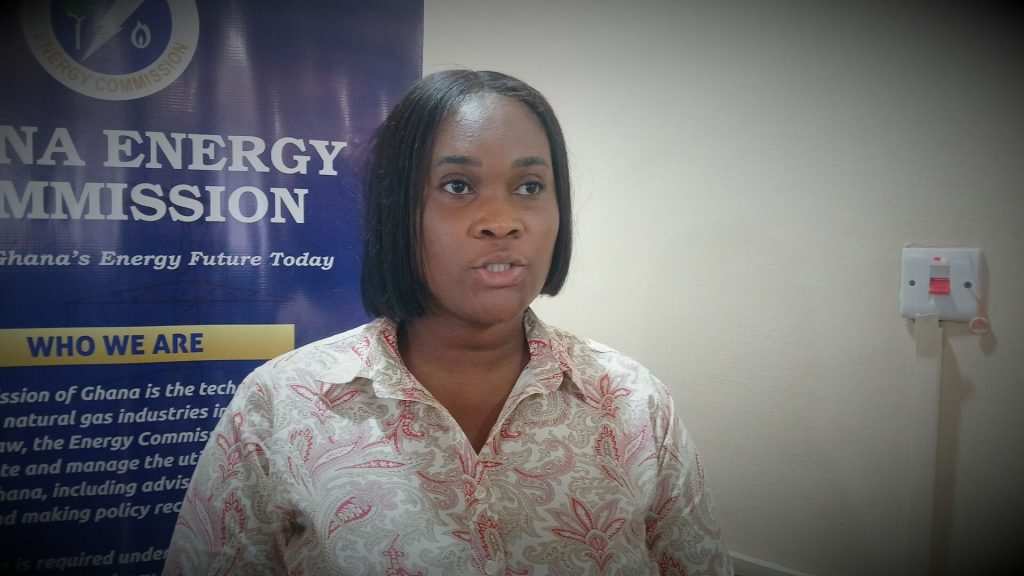
Ms. Joyce Caitlyn Ocansey, Program Coordinator for the Drive Electric Program, has explained that the Drive Electric Initiative , which focuses on electric vehicle (EV) charging infrastructure and battery‑swap system regulations , will be private‑sector led.
She said the government is developing regulations to ensure order in the power supply sector as EV adoption grows.
Ms. Ocansey noted that the Minister wants the private sector to lead the initiative and for it to be based on renewable energy. “Once that decision was made, government also told us it is moving toward a green transition,” she said.
The Energy Commission will carry out an impact study and produce a nationwide charging‑station location map to ensure facilities are not concentrated in just the major cities but are distributed across all 16 regions of Ghana.
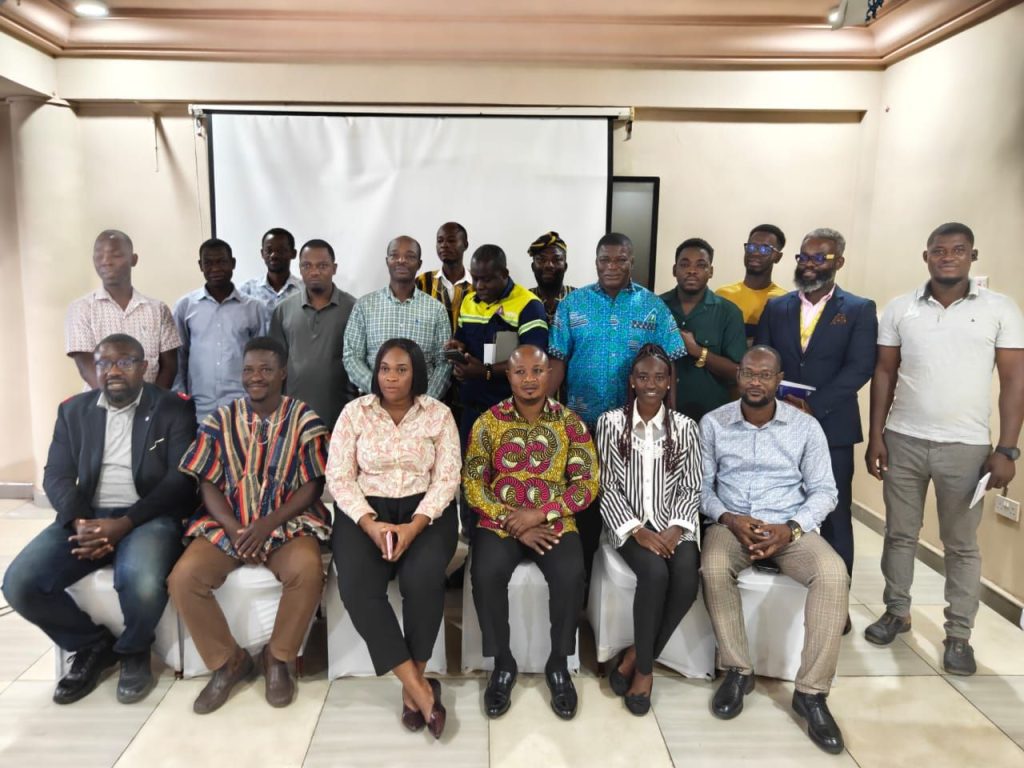
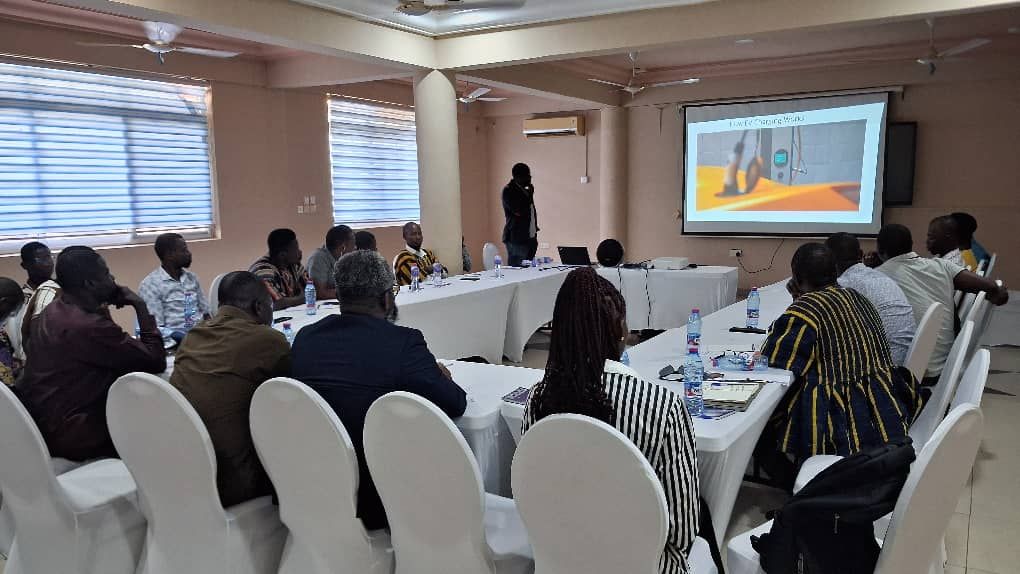
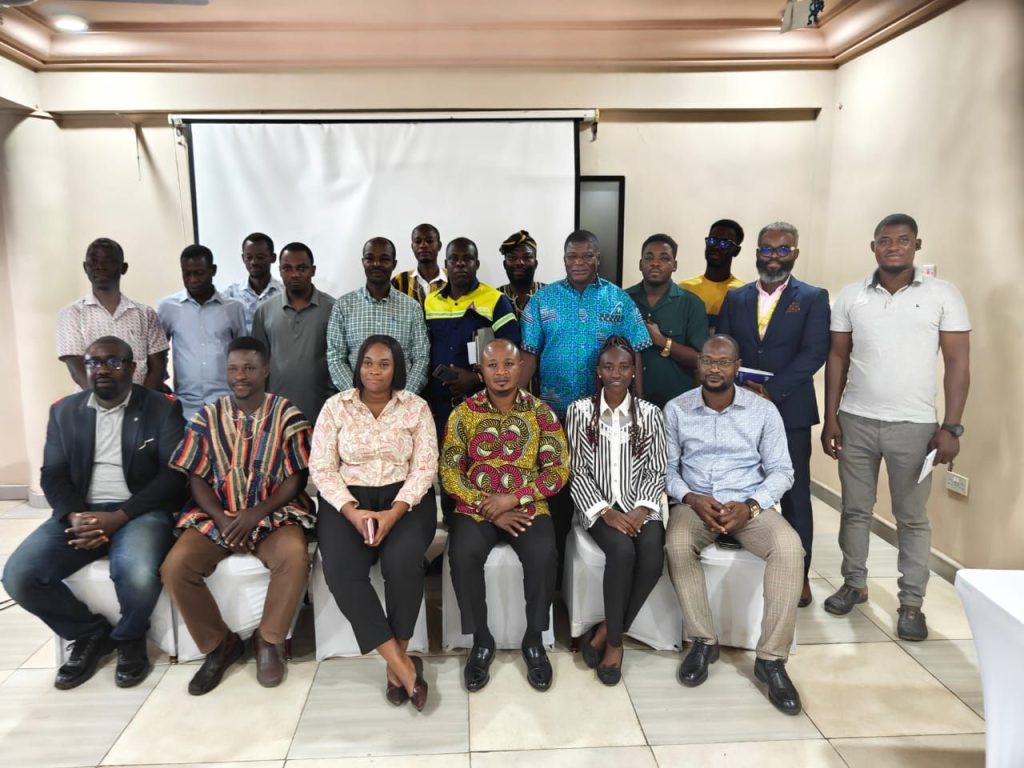
Speaking exclusively on the sidelines of a stakeholders’ awareness and sensitization program in the Bolgatanga Municipal Assembly, Upper East Region, Ms. Ocansey explained that since the EV Project was launched in Ghana in 2019, the Energy Commission visited the region in 2022 to present baseline findings.
The current engagement is a follow‑up: the Commission must develop draft regulations for EV charging and battery‑swap systems for approval, and public sensitization is part of that process.
She emphasized that stakeholder awareness is necessary because technology is changing and Evs are already entering the country. “Many people charge Evs at home, and those who use public chargers typically draw power from the grid,” Ms. Ocansey said. “The Commission must ensure the safety of the grid, the public, and consumers. That is why we must regulate charging stations, battery‑swap services, and the systems in place.
Ghana’s Preparedness for the Drive Electric Initiative
Ms. Ocansey acknowledged that no one is fully prepared for the transition, but that change is inevitable. When the government recognized the growing presence of Evs—especially two‑ and three‑wheelers, it acted to ensure these vehicles enter the market sustainably while protecting the grid and consumers.
Opportunities for Ghanaians
The Commission completed a market opportunity study in 2025; the report is available on the Energy Commission’s website. The study outlines business opportunities for those interested in the EV value chain, such as operating charging stations, selling Evs, or running battery‑swap services for motorbikes. Interested entrepreneurs and investors can consult the report for guidance on potential revenue streams and business models.
Climate Benefits
Ms. Ocansey added that transport sector emissions account for roughly 50% of Ghana’s emissions. Transitioning the transport sector to electric vehicles, and deploying solar‑powered charging stations, could halve Ghana’s greenhouse gas emissions from transport.
She noted this shift would also reduce pollution and health problems associated with fossil‑fuel vehicles.
Source: mywordfmonline.com/ Gaspard Adongo Ayuureneeya